Influence Profile
No genre data available
Genre information will appear here once available
Trending in Gil Scott-Heron’s World
Latest Album
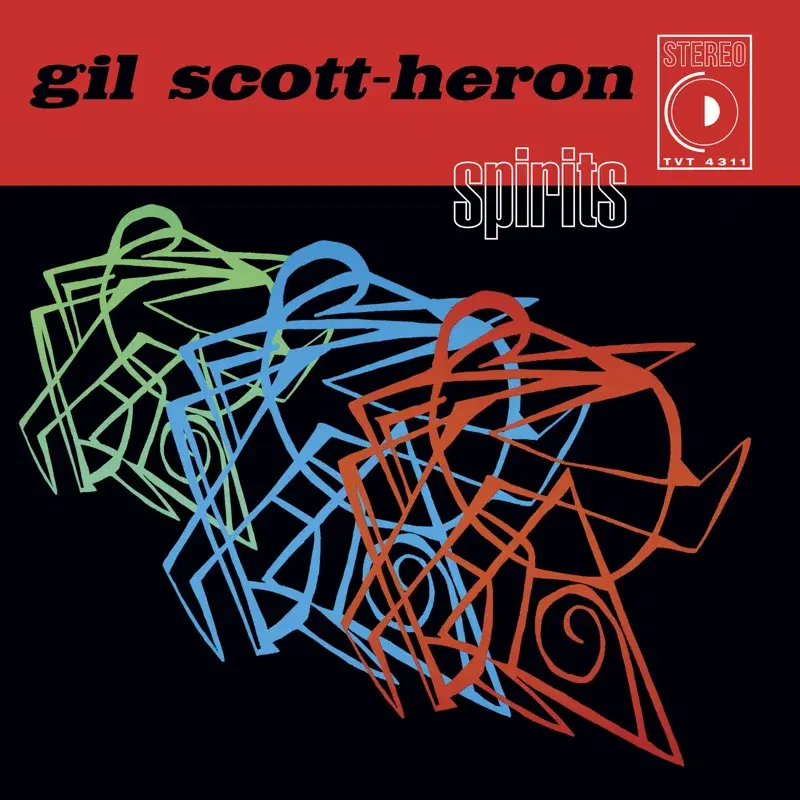
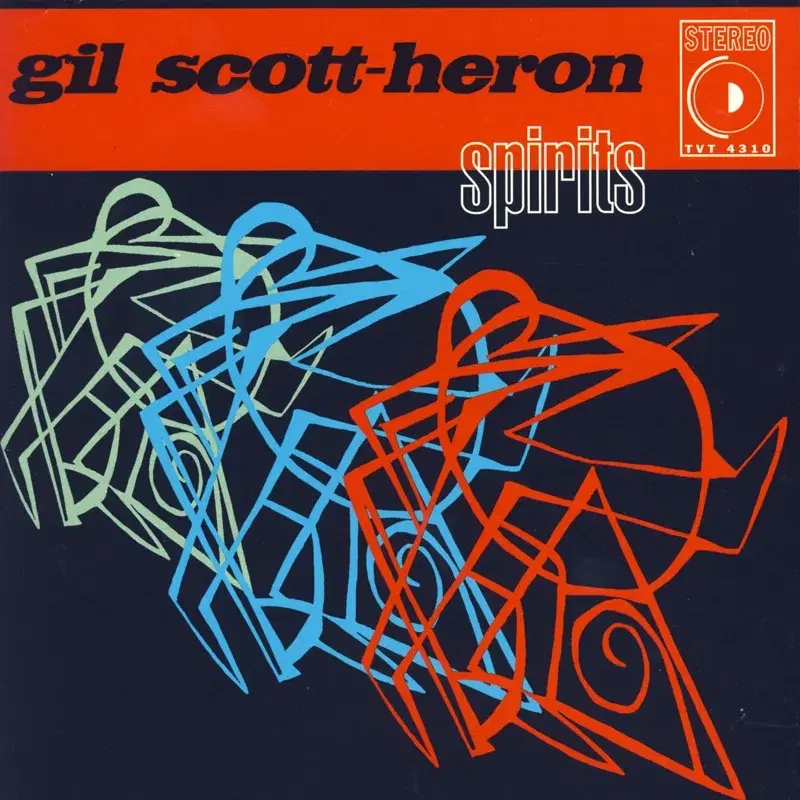
Spirits
Released Mar 29, 1994
Trending Globally
No trending songs available.
Story
Quick Facts
Born
1949
1949
From
United States of America
United States of America
Journey
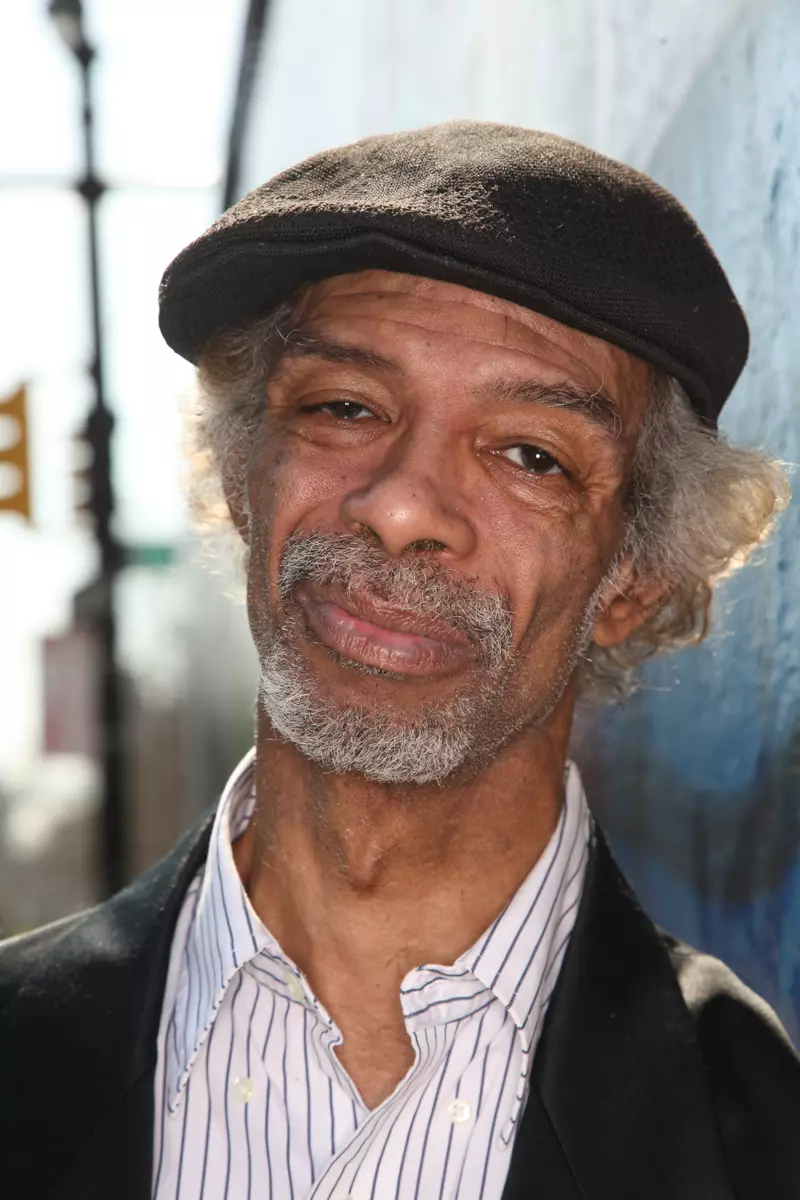
Long before hip-hop became a global cultural force, Gil Scott-Heron was demonstrating how rhythm, poetry, and social commentary could exist as a single artistic language. Through an uncompromising blend of spoken word, jazz, soul, blues, and funk, he created performances that challenged injustice while expanding the possibilities of modern music. His fearless storytelling and literary approach to songwriting established him as one of the most influential voices in contemporary Black art, earning lasting recognition as a pioneering force whose work helped shape the intellectual and creative foundations of hip-hop.
Born Gilbert Scott-Heron, Scott-Heron built a career that spanned more than four decades, distinguishing himself as a poet, singer, songwriter, novelist, musician, and social commentator. Equally proficient as a vocalist, pianist, guitarist, and keyboardist, he crafted a body of work that defied conventional genre boundaries, drawing from jazz, blues, soul, jazz-funk, progressive soul, and spoken word. His performances were marked by incisive political observation, emotional depth, and a literary sophistication that elevated both poetry and popular music.
A defining chapter of Scott-Heron's career was his longstanding creative partnership with Brian Jackson, with whom he produced many of his most celebrated recordings. Together they created landmark albums including "Pieces of a Man," "Winter in America," and "From South Africa to South Carolina," combining rich jazz arrangements with socially conscious lyricism. Beyond Jackson, Scott-Heron also collaborated with musicians and producers such as Malcolm Cecil, while his final studio album, "I'm New Here," introduced his artistry to a new generation and was later reimagined by Jamie xx as We're New Here, extending his influence into contemporary electronic music.
His catalog includes some of the most enduring works in socially conscious music, among them "The Revolution Will Not Be Televised," "The Bottle," "Home Is Where the Hatred Is," "Johannesburg," "Winter in America," and "We Almost Lost Detroit." These recordings confronted issues including racial inequality, political corruption, poverty, addiction, environmental crises, and media influence, cementing Scott-Heron's reputation as an artist who viewed music as both creative expression and social intervention.
His legacy has been honored through a Grammy Lifetime Achievement Award and induction into the Rock and Roll Hall of Fame in the Early Influence category, reflecting the profound impact of his artistry on generations of musicians, poets, and cultural thinkers.
Gil Scott-Heron passed away on May 27, 2011, leaving behind a body of work that continues to resonate across music, literature, and social discourse. His ability to unite poetic expression with musical innovation transformed the possibilities of spoken-word performance and established a legacy that continues to inspire artists seeking to use their craft as a vehicle for truth, reflection, and change.